







Just finished listening to Jensen Huang with Brad Gerstner on the BG2 podcast
Probably one of the best things you can spend 90 minutes of your time listening to this weekend. Highly recommend.
Some of my takeaways from the conversation
1. The demand for compute will continue
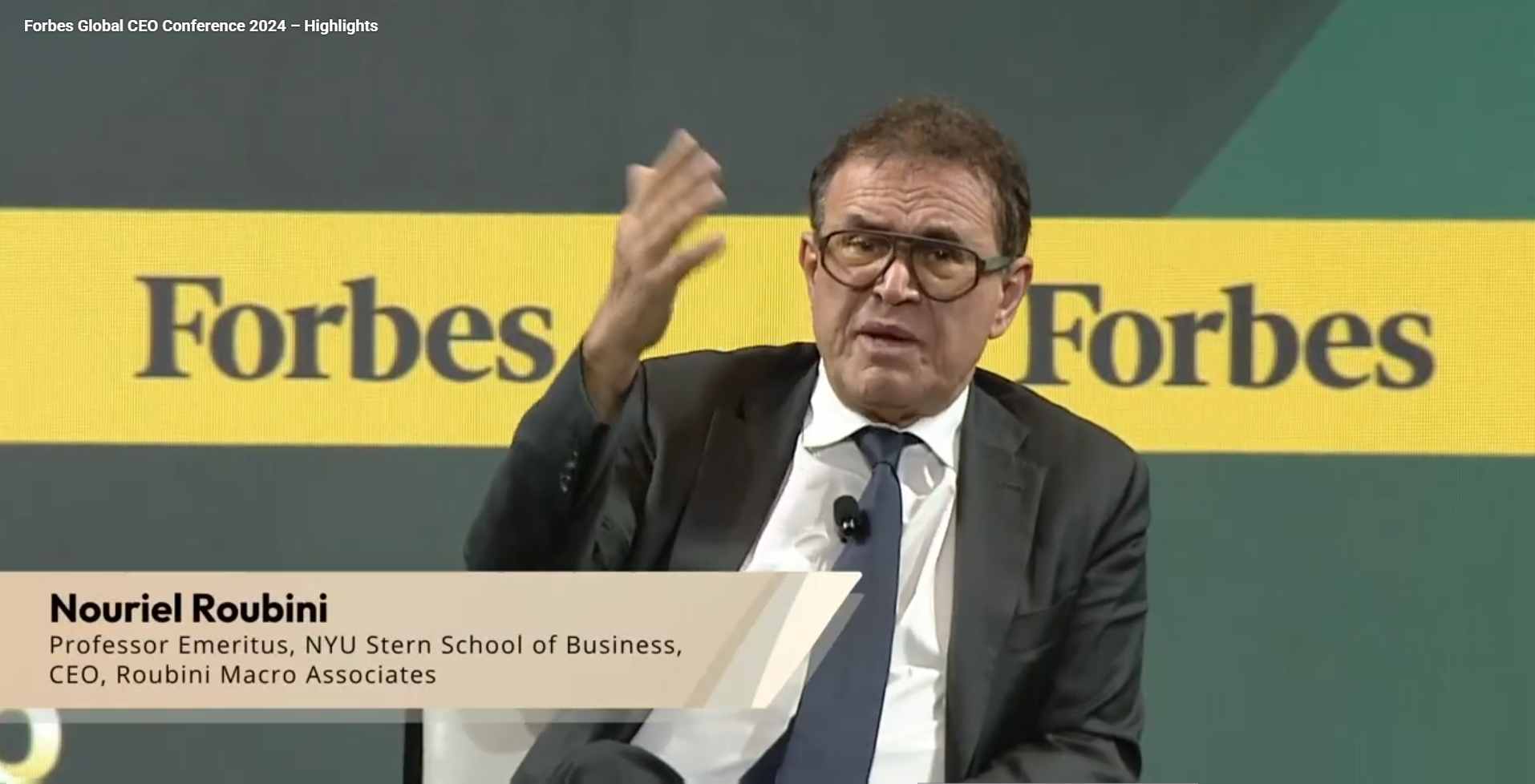
Barring various tail risks, global economic growth should improve in 2027, and inflation should fall as productivity-enhancing technological innovations provide a strong tailwind for the global economy, @Nouriel writes.

Why Is the Global Economy So Resilient?
Nouriel Roubini offers an explanation for the relatively benign global economic outlook, despite obvious risks.
www.project-syndicate.org
Barring various tail risks, global economic growth should improve in 2027, and inflation should fall as productivity-enhancing technological innovations provide a strong tailwind for the global economy, @Nouriel writes.
Why Is the Global Economy So Resilient?
Nouriel Roubini offers an explanation for the relatively benign global economic outlook, despite obvious risks.
www.project-syndicate.org